A child sensitive to noise may cover their ears when the blender goes on, run from birthday parties, or get scared every time the vacuum starts. It isn't "overreacting": the noise really does feel loud, sudden and unpleasant to them.
Why does it happen?
The brain constantly filters sounds and decides what matters. In some children this filtering works differently, and sounds others barely notice, like a humming fridge or a noisy classroom, come through loud and tiring. It's more common in children with sensory processing difficulties and in autistic children, but it also happens with no diagnosis at all.
Helping a child sensitive to noise at home
- Warn first: "I'm turning on the blender now." An expected noise is far less scary.
- Give control: let your child press the button, or choose to leave the room.
- A quiet place to go to when there's too much noise.
- Listening games at calm times, like Where's that sound?, which make sounds interesting and not only threatening.
At school and events
Tell the staff and ask for a quieter spot for meals or rest. Before a noisy event, prepare your child: what will be there, for how long, and what to do if it's too much. A short social story about the event helps a lot.
What about headphones?
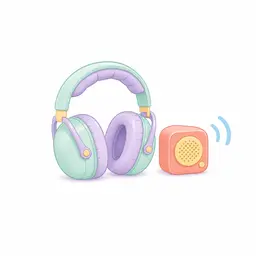
Noise-reducing headphones are great for events, trips and crowded places. But not all day, because it also matters to get used to everyday sounds gradually. Put them on when needed and take them off when it's calm.
When to ask for an evaluation
If the sensitivity keeps your child from joining in at school, activities or family events, if it comes with severe meltdowns, or if there's sensitivity to touch, clothes or food too, ask an occupational therapist for a sensory processing evaluation. And check hearing itself too.